Victoria Regional Transit System
BC Transit Victoria serves Greater Victoria,
Sidney and Sooke, with a population of 330,000 using
a fleet of 178 buses, including New Flyer D40LF, NovaBus
LFS, Dennis Dart and Trident, and Alexander Dennis Enviro
500 buses. This agency was the first in
Canada to order low floor buses with an order from New Flyer in 1991, and it
tested hydrogen fuel cell buses equipped by Ballard.
All photos are by the webmaster unless noted
otherwise.
|
|
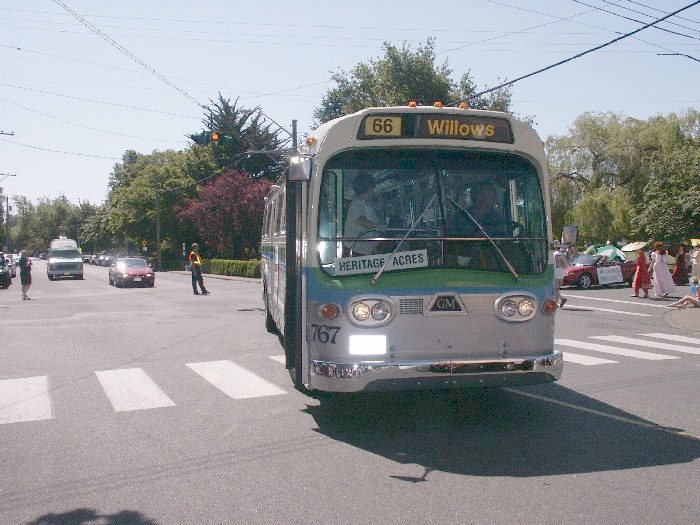
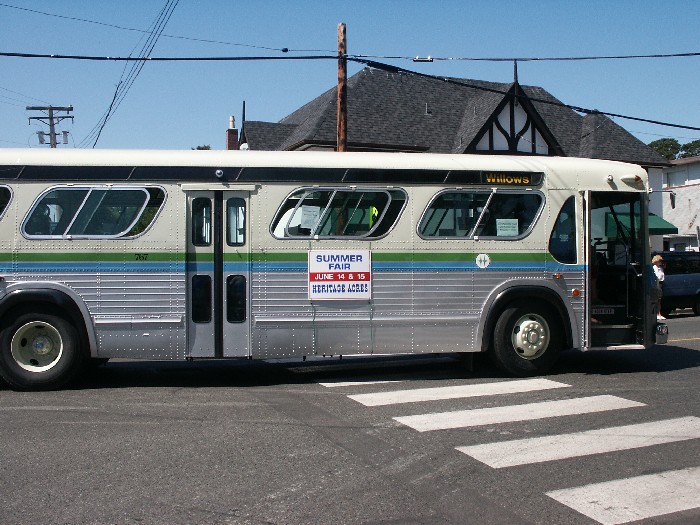
767 is a 1966 GM TDH-4519, owned by the Greater Victoria Historical Transit Society. In the late 1980’s, this bus was upgraded to T6H-4523N specs, with the extra clearance lights, a Recaro workstation, and power steering. This bus has now been restored to its original specifications, and is painted in the BC Hydro livery. (Photos by Rob G.) |
|
|
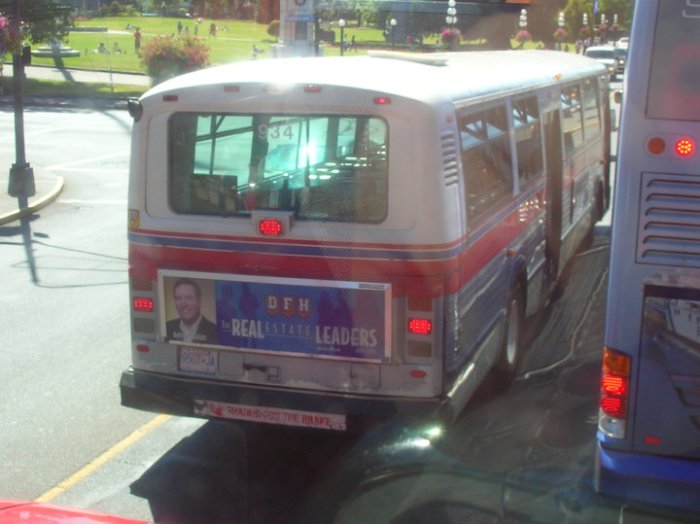
934 was a 1989 MCI TC-40102N, spotted in downtown Victoria. The MCI Classics purchased between 1989 and 1991 were the last high-floor buses in service in Victoria, running until their retirement in May 2010. (Photo by Orion 4) |
|
|
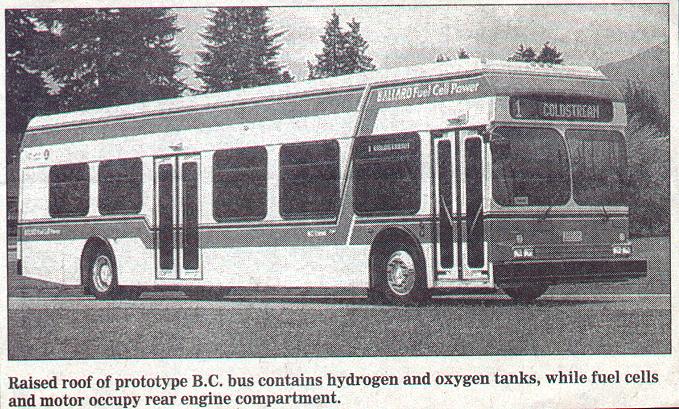
This bus is a New Flyer H40LF hydrogen fuel cell bus tested by BC Transit Victoria during the 1990s. The high roof contains the tanks used to hold the fuel. The gases are combined across a catalytic membrane, producing the electricity to drive the bus. This kind of engine is 50% efficient, meaning that 50% of the energy in the fuel is used to propel the bus (the rest is wasted as heat and exhaust), compared to about 20% efficient for a diesel engine. (Photo by New Flyer Industries, source The Financial Post) |
|
|
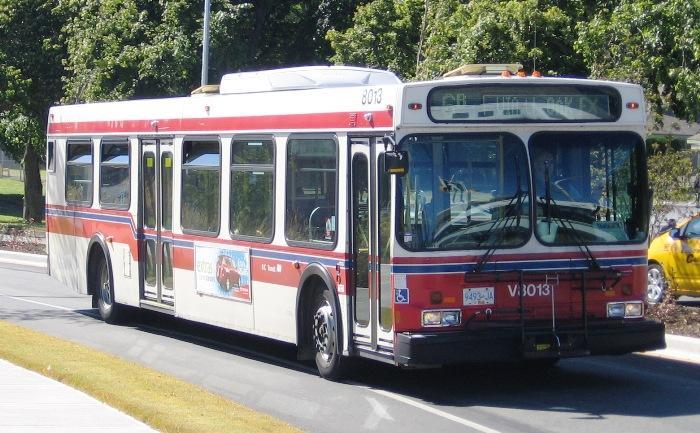
8013 is a 1992 New Flyer D40LF, spotted on Esquimalt Road on July 23, 2010. The buses numbered between 8001 and 8033, ordered between 1991 and 1993, are equipped with Detroit Diesel 6V92TA engines. |
|
|
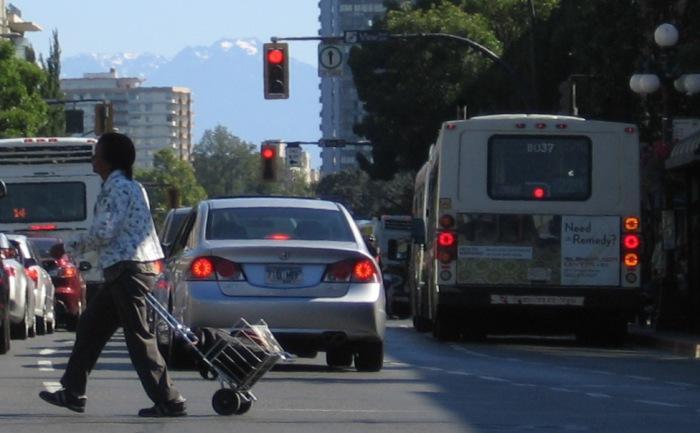
8037 is a 1994 NFI D40LF, seen on Douglas Street in downtown Victoria on July 23, 2010. The 1994 buses are structurally similar to the earlier D40LF buses, but are powered by Detroit Diesel Series 50 engines, as are most of the other New Flyer buses in Victoria. In the distance are the Olympic Mountains in Washington State, USA. |
|
|
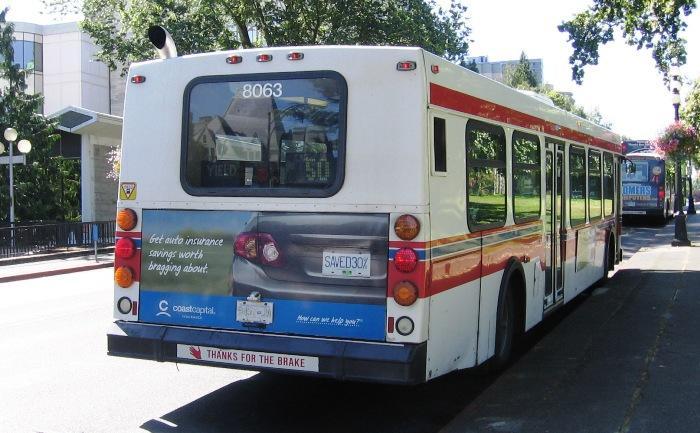
8063 is a 1995 NFI D40LF, shown laying up on Government Street next to the Parliament Buildings on July 23, 2010. |
|
|
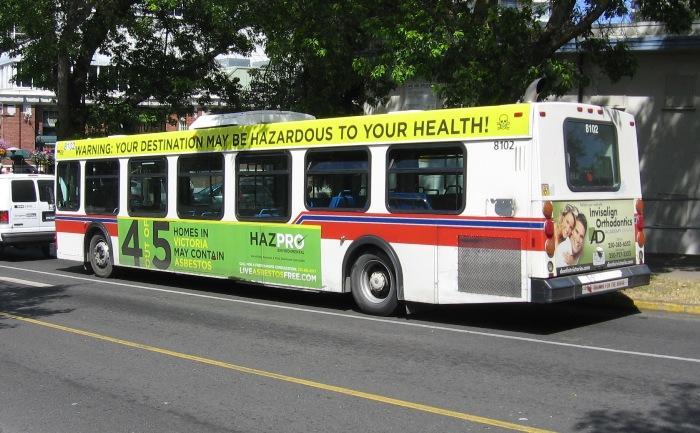
8102 is a 1996 NFI D40LF, seen on Douglas Street near the Royal British Columbia Museum on July 19, 2010. |
|
|
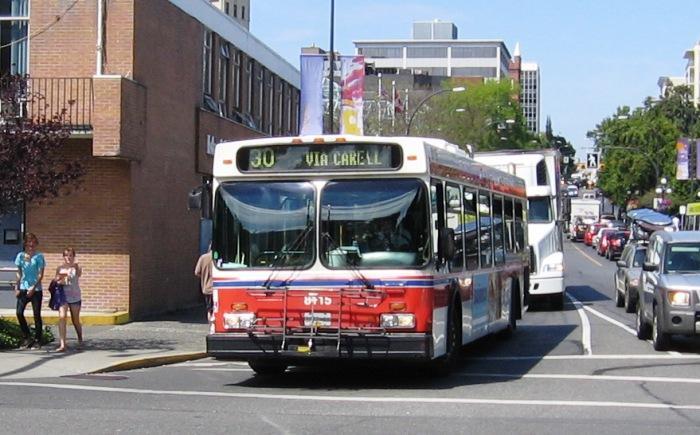
8115 is another 1996 New Flyer D40LF, spotted turning from Douglas Street onto Belleville Street on July 20, 2010. |
|
|
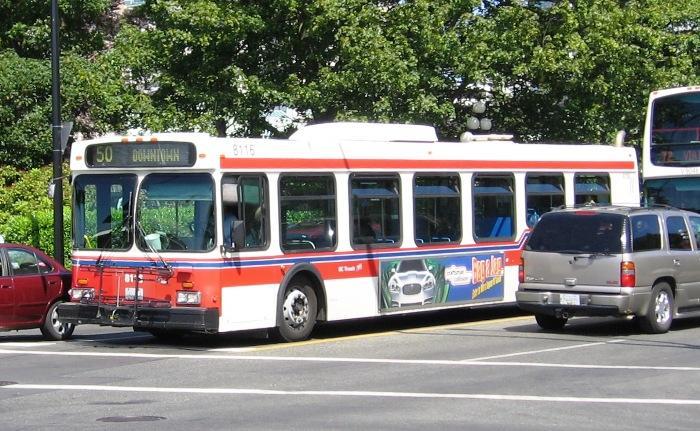
8116 is a 1996 D40LF, seen on Belleville Street on July 20, 2010. |
|
|
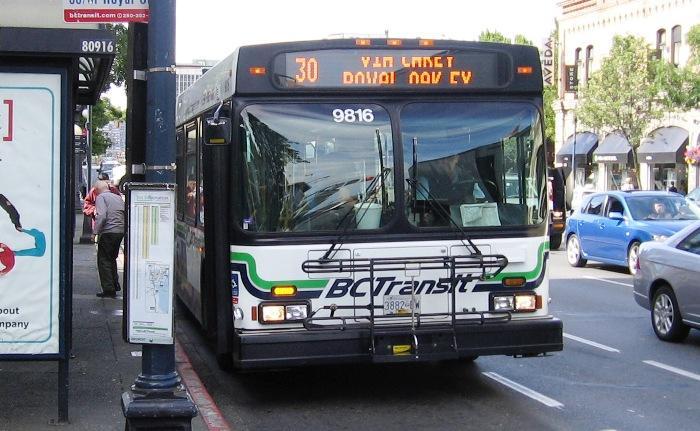
9816 is a 1998 New Flyer D40LF, seen on Douglas Street at Pandora Avenue on July 22, 2010. This bus is painted in the new BC Transit livery, introduced on the Alexander Dennis double-decker buses in 2008. |
|
|
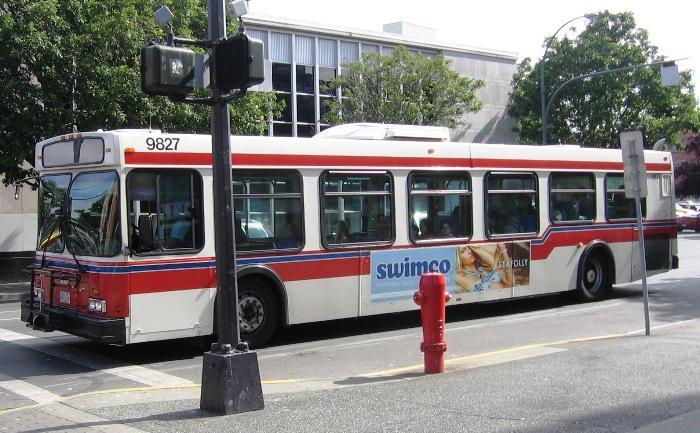
9827 is another 1998 NFI D40LF, spotted on Pandora Avenue on July 22, 2010. |
|
|
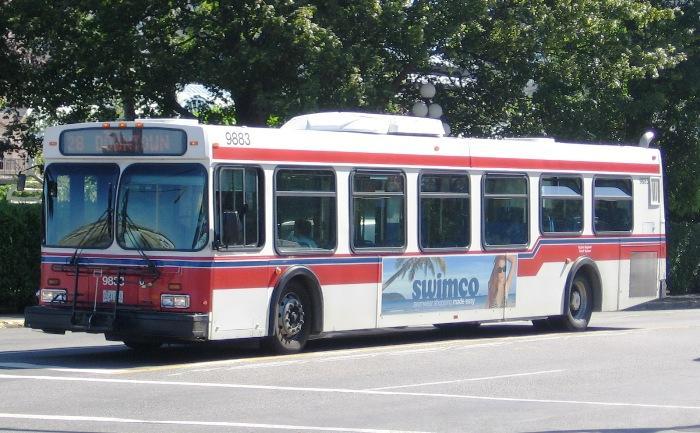
9883 is a 1998 D40LF, shown on Belleville Street in downtown Victoria on July 20, 2010. |
|
|
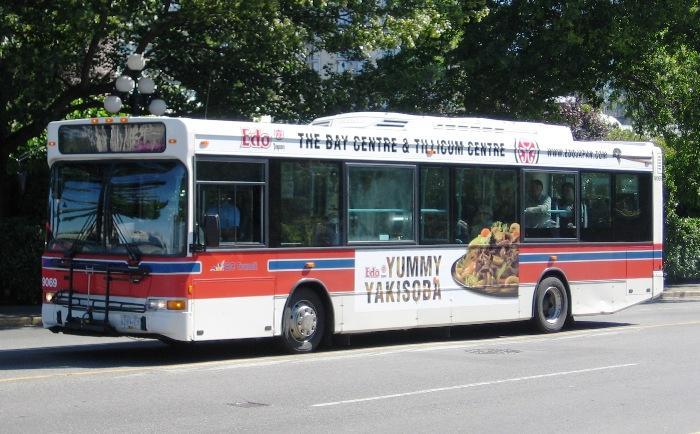
9069 is a 2000 Dennis Dart SLF with a Plaxton Pointer 2 body, seen on Belleville Street on July 23, 2010. |
|
|
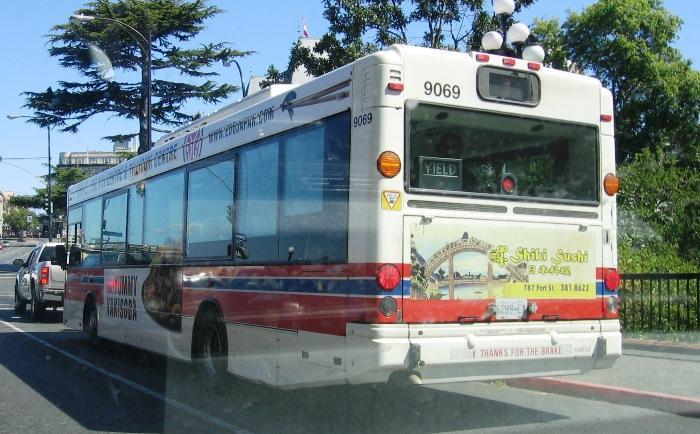
9069 was spotted again on Government Street on July 23, 2010. |
|
|
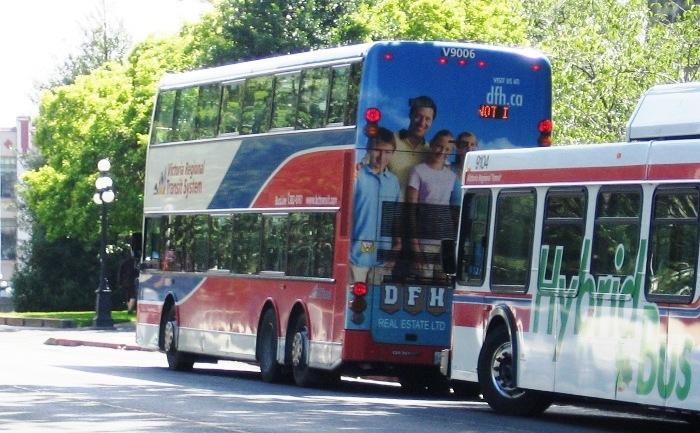
9006 is a 2000 Dennis Trident 3 with a Duple Metsec DM5000 body, seen laying up on Government Street on July 20, 2010. |
|
|
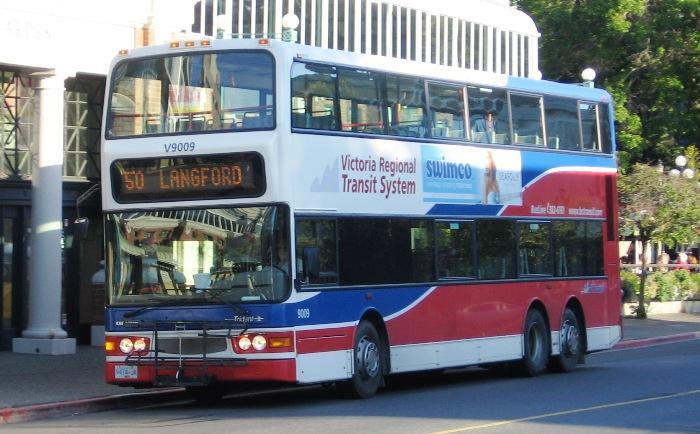
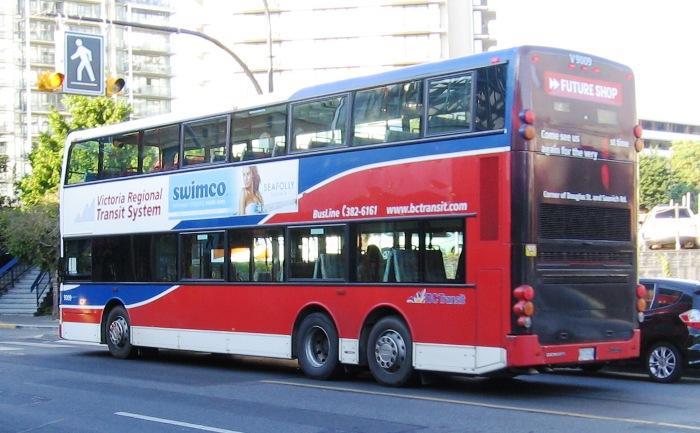
9009 is another 2000 Dennis Trident, seen on Douglas Street on July 19, 2010. BC Transit was first transit agency in North America to order production quantities of double-decker buses. |
|
|
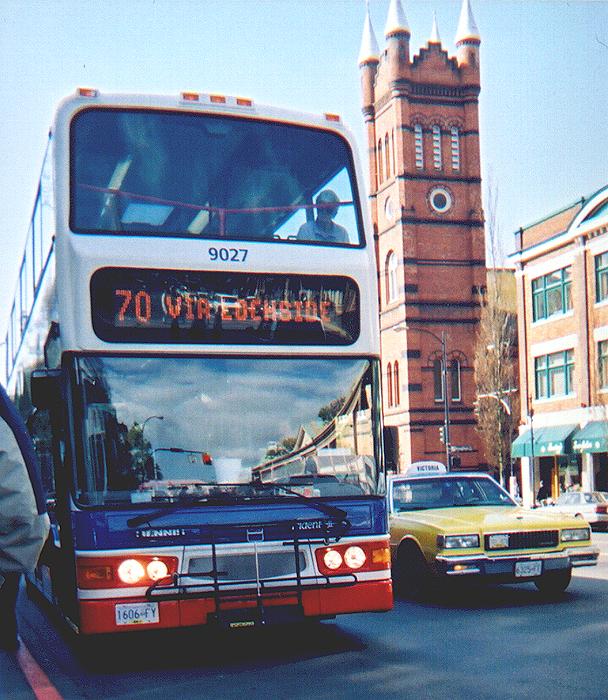
9027 is a 2002 Dennis/TransBus Trident, seen on Douglas Street in downtown Victoria in April 2003. (Photo by the Snapmeister) |
|
|
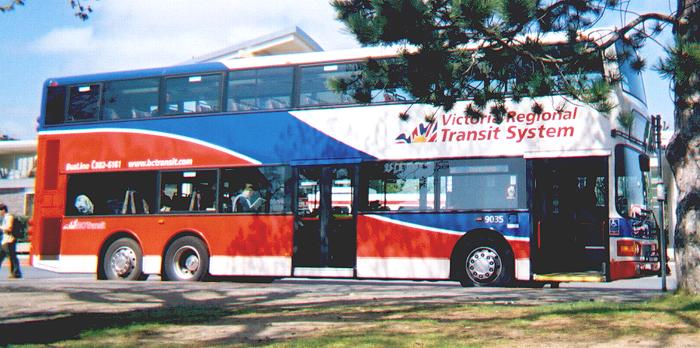
9035 is another 2002 Dennis Trident. These buses are built with Alexander bodies, and this particular unit traveled to Las Vegas, Beaver Creek, and Calgary for various conventions. This photo was taken in April 2003. (Photo by the Snapmeister) |
|
|
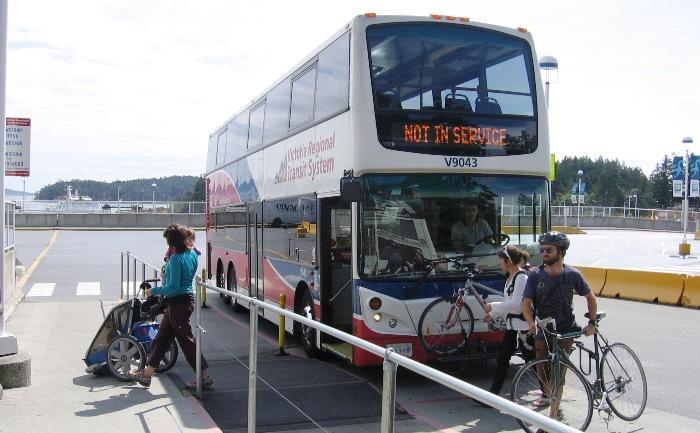
9043 is a 2004 Alexander Dennis Enviro 500, shown at the Swartz Bay ferry terminal on July 22, 2010. These buses have an updated design compared to the Dennis Trident buses, including projector headlamps and an integrated front bumper. |
|
|
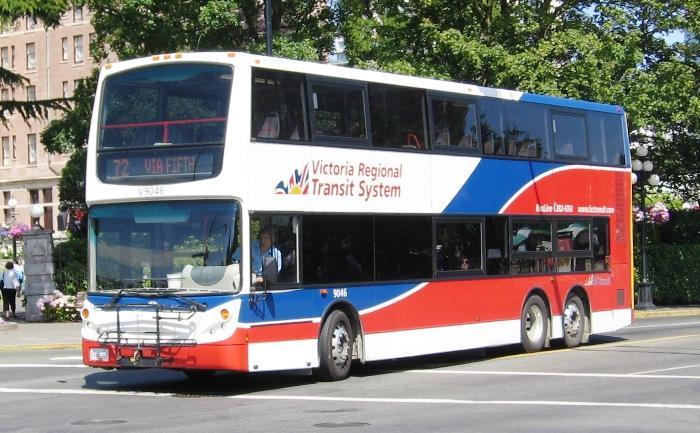
9046 is another 2004 ADL Enviro 500, seen on Belleville Street near the Empress Hotel on July 20, 2010. |
|
|
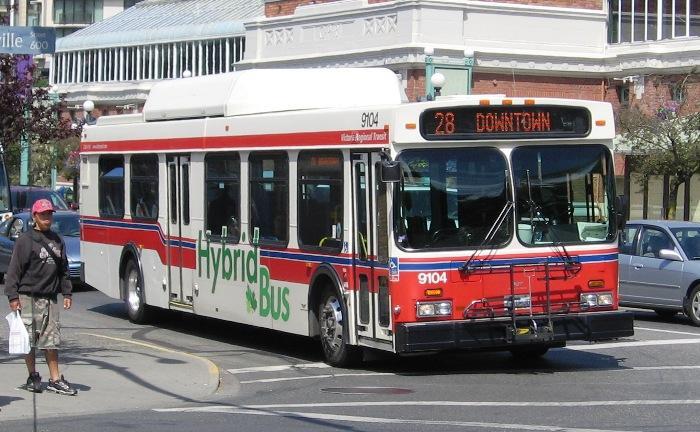
9104 is a 2005 New Flyer DE40LF, shown on Douglas Street at Belleville Street on July 20, 2010. This bus is one of three hybrid buses in service in Victoria, using a Cummins ISL engine linked to a GM-Allison EP 40 hybrid system. |
|
|
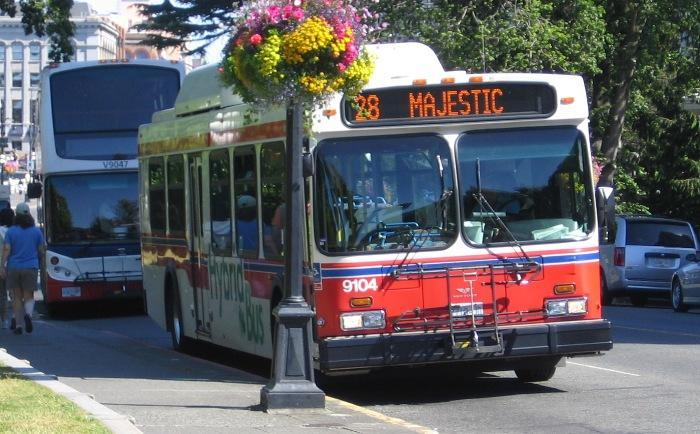
9104 was spotted again on Douglas Street with 9047 on July 23, 2010. |
|
|
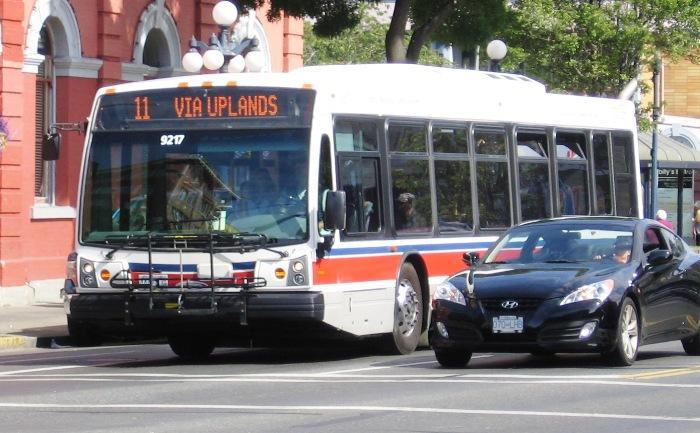
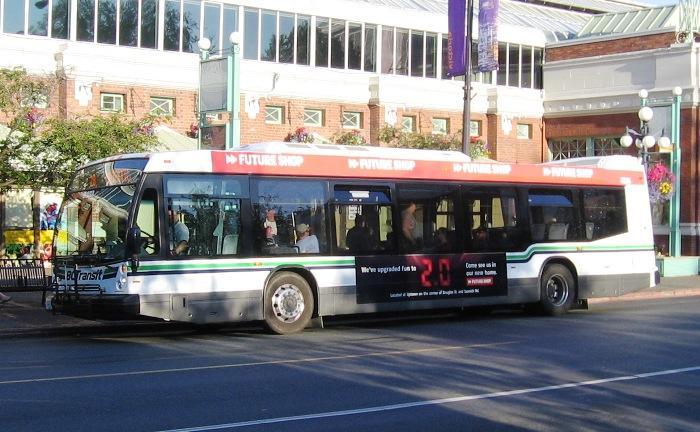
9217 is a 2006 NovaBus LFS, seen on Douglas Street near Pandora Avenue on July 22, 2010. These were the first LFS buses to operate in Victoria, though they were transferred to other communities shortly after this photo was taken. |
|
|
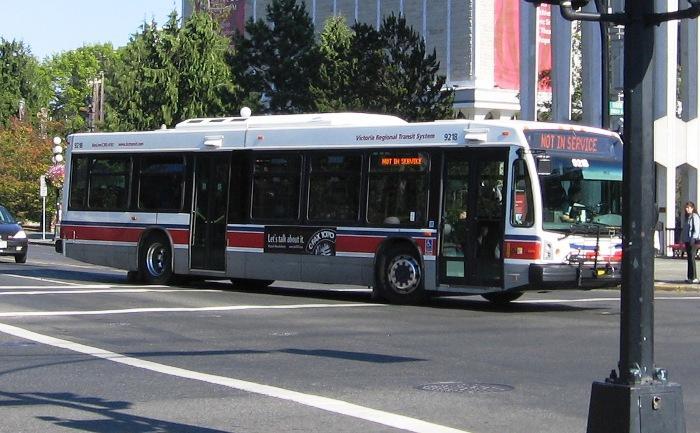
9218 is another 2006 LFS, shown turning from Belleville Street to Government Street on July 20, 2010. In the background is the Royal British Columbia Museum. |
|
|
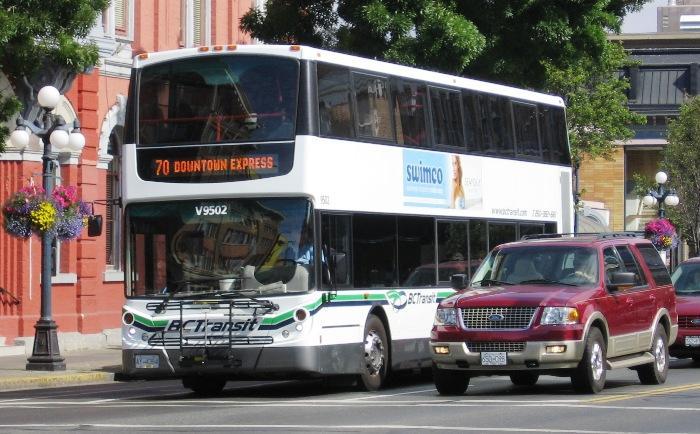
9502 is a 2008 Alexander Dennis Enviro 500, spotted on Douglas Street on July 22, 2010. These buses were the first to feature the new BC Transit livery. |
|
|
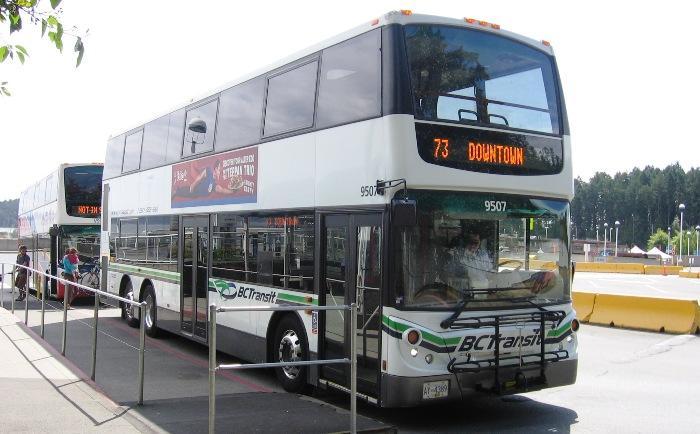
9507 is another 2008 ADL Enviro 500, seen at the Swartz Bay ferry terminal on July 22, 2010 |
|
|
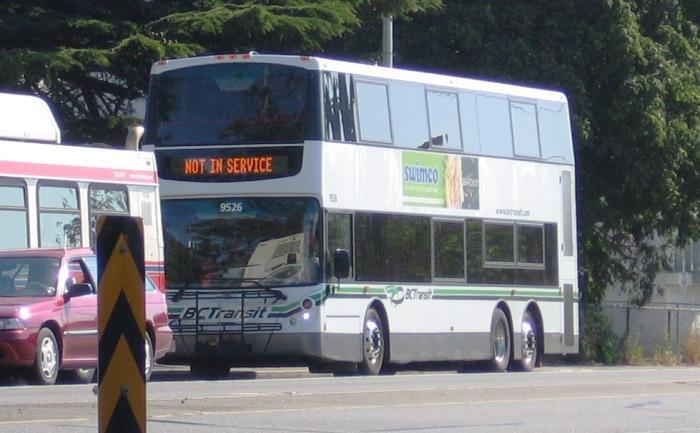
9526 is a 2008 Enviro 500 and was spotted on July 21, 2010. . This order for the double-decker buses was split between Victoria and Kelowna. |
|
|
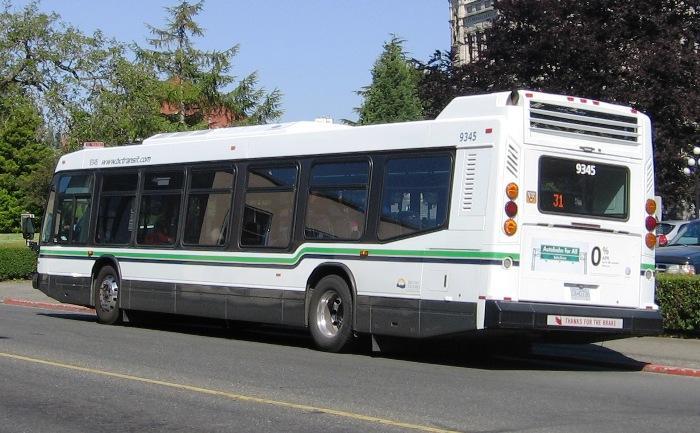
9345 is a 2009 NovaBus LFS, seen on Belleville Street on July 23, 2010. This is a 3rd-Generation LFS, with the full-width rear window topped by the radiator. |
|
|
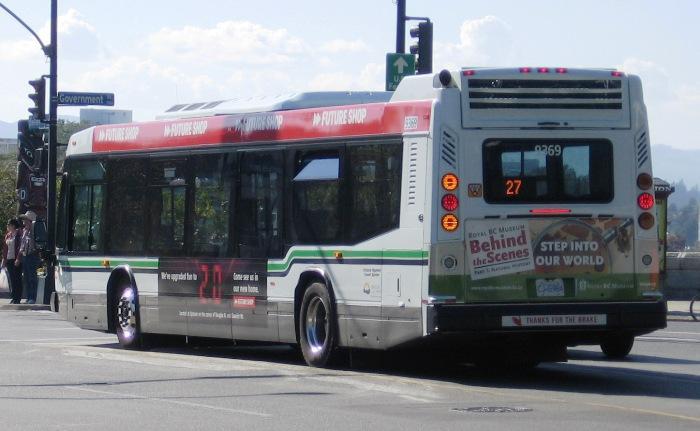
9369 is another 2009 Nova LFS, spotted on Belleville Street at Government Street on July 21, 2010. Two orders were placed for the LFS in 2009, and the second order features frameless windows, as shown on this bus. |
|
|
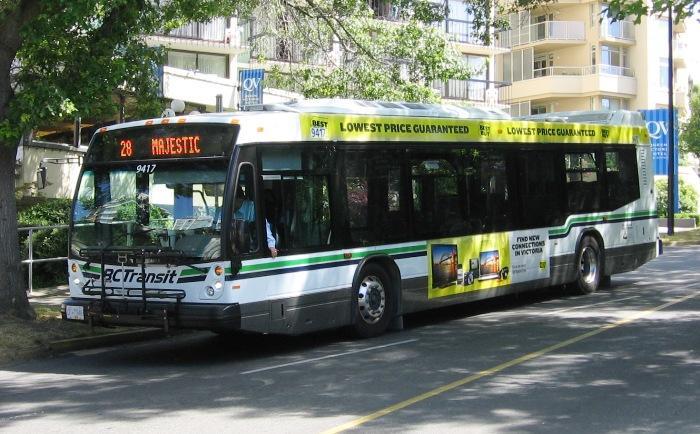
9417 is a 2009 LFS, shown on Douglas Street near the Royal British Columbia Museum on July 20, 2010. |
|
|
This LFS was spotted on Dougles Street in downtown Victoria on July 19, 2010. |